

Africa’s next generation of economic growth will not come from natural resources alone.
It will also come from technology, research, digital infrastructure, creative industries and purpose-built innovation ecosystems.
That is the bigger story behind Konza Technopolis.
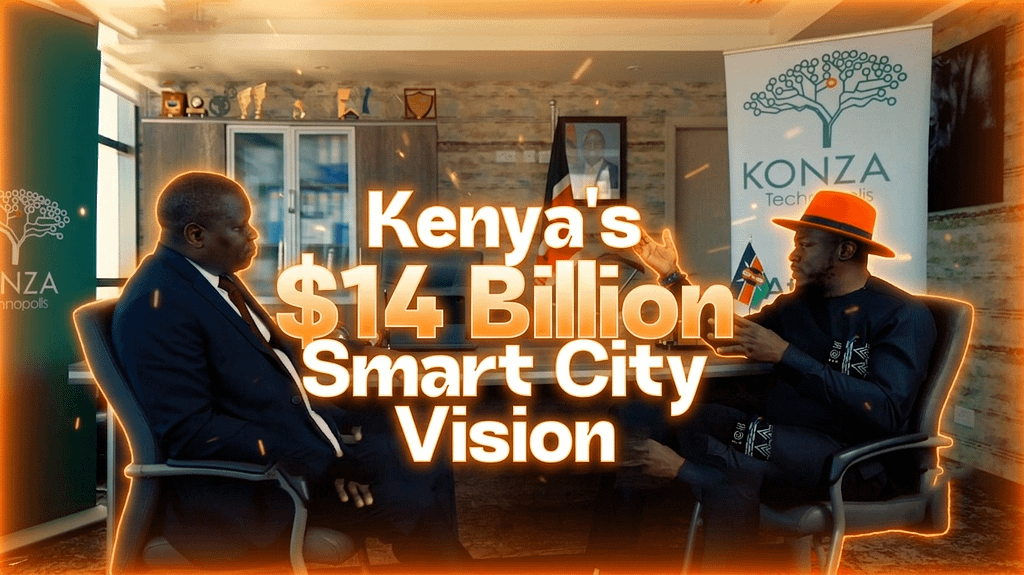
During a recent Building for Africa Investment Show conversation, Konza was presented not simply as a Kenyan development project, but as an example of what African countries can build when technology, infrastructure, education and investment are planned together.
The conversation focused on Kenya, but the opportunity is continental.
Moving Africa From Consumption to Creation
Konza Technopolis is designed around a simple ambition: create an environment where technology companies, researchers, universities, creatives and investors can operate within the same ecosystem.
The development focuses on areas including:
- ICT and technology services
- Research and development
- Engineering
- Digital infrastructure
- Universities
- Housing
- Light manufacturing
- Commercial development
- Creative industries
The bigger opportunity for Africa is clear.
For decades, many African markets have consumed technology created elsewhere.
Projects like Konza represent an attempt to build environments where African businesses can research, develop, commercialise and export their own solutions.
That shift matters.
The future of Africa’s economy will increasingly depend on how much intellectual property, technology and innovation the continent can create and own.
Digital Infrastructure Is Becoming Investment Infrastructure
One of the key lessons from Konza is that investors need more than land.
They need infrastructure.
The project has been developed with roads, fibre connectivity, power, water systems, wastewater treatment and other utilities already planned into the city.
The goal is to create a more plug-and-play environment for businesses.
This approach could be increasingly important across Africa.
Instead of companies arriving first and struggling with infrastructure later, smart investment zones can provide the foundations upfront.
For investors, that can reduce friction.
For governments, it can make emerging business districts more competitive.
And for African entrepreneurs, it can create environments where more energy goes into building the business rather than solving basic infrastructure problems.
The Creative Economy Could Be One of Africa’s Biggest Opportunities
One of the most interesting developments discussed during the conversation was a proposed Digital Media City.
The idea is to provide infrastructure for industries such as:
- Film
- Media
- Fashion
- Art
- Gaming
- Animation
- Software development
- Digital content
This could be especially significant for Africa.
The continent already has enormous creative talent.
African music, film, fashion and digital culture increasingly reach global audiences.
But talent alone is not enough.
Creators also need studios, technology, financing, production infrastructure and distribution systems.
A dedicated creative economy hub could help reduce those barriers.
And this is not only an opportunity for Kenya.
Across Africa, there is room for purpose-built ecosystems where creatives can produce at global standards without having to build expensive infrastructure from scratch.
Universities, Research and Industry Need to Work Together
Another important part of the Konza model is the connection between education and industry.
The development includes universities and research institutions intended to work alongside businesses.
That relationship is essential if African innovation ecosystems are going to scale.
Universities should not simply produce graduates.
They can also produce research, technology, intellectual property and companies.
When universities, governments and businesses operate in isolation, innovation moves slowly.
When they work together, research can become commercial products.
For Africa, strengthening that connection could unlock opportunities in areas such as:
- Artificial intelligence
- Health technology
- Financial technology
- Agriculture
- Climate technology
- Engineering
- Software
- Manufacturing
African Diaspora Investment Can Play a Bigger Role
The conversation also focused strongly on diaspora investors.
Africans living abroad send significant capital back to the continent.
But much of that money does not always flow into structured, scalable investment opportunities.
Purpose-built developments can create another option.
Instead of investing only in isolated land or residential property, diaspora investors may be able to participate in commercial developments, technology businesses, housing, light industry or innovation ecosystems.
That shift — from remittance to investment — could become increasingly important for Africa.
The opportunity is not simply for Africans abroad to send money home.
It is for them to become investors in Africa’s future industries.
Africa Needs More Planned Innovation Ecosystems
Konza is still developing, and building a city from scratch is a long-term undertaking.
But the broader idea matters.
Africa’s cities are growing rapidly.
That growth will require new approaches to housing, technology, transportation, employment and infrastructure.
Instead of allowing development to happen without coordination, more African markets can explore planned ecosystems where businesses, universities, housing and public infrastructure grow together.
The opportunity stretches across:
Technology:
Software, cloud services, AI, digital platforms and ICT infrastructure.
Creative industries:
Film, fashion, gaming, animation and digital media.
Research and education:
Universities, laboratories and commercial research.
Housing:
Residential communities built around emerging business districts.
Light industry:
Electronics, assembly and technology-enabled manufacturing.
Healthcare:
Hospitals, health technology and medical research.
Commercial development:
Offices, retail, mixed-use developments and business services.
Africa’s Investment Future Will Be Built, Not Discovered
One of the strongest ideas from the Konza conversation is that Africa’s future opportunities will not simply be found.
They will have to be built.
The infrastructure must be built.
The research institutions must be built.
The technology companies must be built.
The creative ecosystems must be built.
The housing must be built.
The capital networks must be built.
Konza provides one example of what that process can look like.
But the bigger opportunity is African.
Across the continent, governments, investors, entrepreneurs and the diaspora have an opportunity to build the ecosystems that will power Africa’s next generation of industries.
The question is no longer whether Africa will participate in the global digital economy.
The bigger question is:
How much of that economy will Africa build and own?
That is the opportunity.
And that is what it means to Build for Africa.